Artists are selected by the site's editor. Introductions are drafted with AI assistance from official artist channels and credited press, then reviewed before anything is marked approved.
Chained to the Bottom of the Ocean is a Springfield, Massachusetts band playing sludge that has drifted toward funeral doom: slow, “inky” structures, a guitar tone that “bleeds like molasses,” raw screamed vocals and caustic feedback, with groove-driven riffs still landing inside the weight. Its 2026 EP, Let Us Not Speak of Them but Look and Pass On, was called “easily one of the heaviest things” of the year, and one review hears “earnest and haggard anger and pain” in it.
Velnias is a black metal band from Nederland, in Colorado’s Rocky Mountains, making music “meant to conjure a mood or a mental adventure,” as one review put it. Slow, cavernous passages of heavy guitar break into aggressive, chaotic bursts, with growls answered by clean vocal calls, feedback and an instrumental interlude. Folk and doom colour the black metal, and the band’s own description of its themes is the macrocosm reflected in the microcosm; its fourth album, Substrate Haruspex, arrives October 30.
Haunt Me is a San Antonio, Texas band making post-punk and darkwave with a romantic, nocturnal pull: hushed vocals wrapped in guitar textures, as on “Cemetery Rendezvous,” a single one reviewer called a “gorgeous darkwave track.” Its second album, Watch You Bleed (2025), is tagged goth rock, new wave and post-punk, comes pressed on blood-moon red vinyl in a gatefold with all twelve lyrics, and suits, a listener writes, anyone who enjoys horror-themed music.
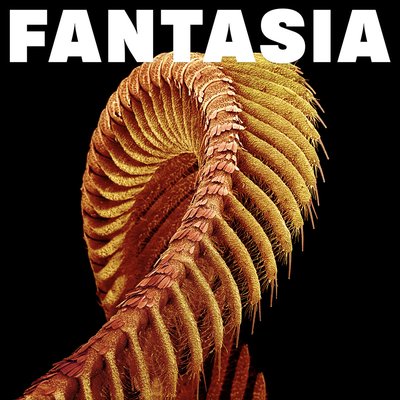
Slift is a trio from Toulouse, France, making heavy psychedelic rock that grew out of punk and stretched into jams, steered by 1970s German krautrock, Miles Davis and prog. Its records are science-fiction voyages, Ummon drawing on Homer’s Odyssey, and the band plays them loud: it doesn’t want to “recreate the record on stage,” treating the album as an intimate headphone experience and the show as something felt through volume and vibration. Fantasia (2026) is its newest.
Lesser Care is a band from El Paso, Texas, playing melodic, emotional post-punk with a shoegaze haze: cold, sharp guitars and powerful rhythm section over songs about loss, grief and loneliness. Early reviewers heard “a sense of desolation” in every element. Its latest EP, Lincoln Leather (2026), blends post-punk, shoegaze and electronic music and is shaped by the grief of losing a parent, taking its title from the car that inspired the project.
Cigarettes for Breakfast is a Philadelphia shoegaze and dream-pop band that began as a bedroom project: lush, fuzzed-out guitars and emotive, wide-open songs in the line of My Bloody Valentine and Slowdive. One review hears an “ode to some classic shoegazers” in the opening track of Slow Motion (2025), noting a front person who wears the influence on their sleeve. The band is known for fuzzed-out, emotive live sets, and its newest release is colour wheel.
Oct 16, 2026Bandito's Burrito Lounge, Richmond, VA
REZN is a Chicago band that treats heaviness as a doorway: doom, prog and stoner riffs that drift into tranquil, psychedelic passages, coloured by lap steel, saxophone and synthesizers. Cycles in the Infinite Dream (2026), recorded at Electrical Audio, takes dreams and altered consciousness as its subject, with a “pseudo-waking state” the band calls a reflection of a second existence, something you can flee to or be imprisoned by. One review calls it “a kaleidoscopic listen” that deserves a front-to-back play.
Sungaze is a Cincinnati shoegaze band whose Bandcamp tagline is “music to yearn to”: reverb-soaked guitar leads, lush textures and plainspoken, poetic vocals. “Shadows,” a 2025 single, blends traditional shoegaze with contemporary influences and was written and recorded in one spontaneous five-hour session; the band’s mantra is “If you can dream it, you can create it.” The song looks at how good and evil coexist in everyone. Its latest album is I’m No Longer Afraid of Heights.
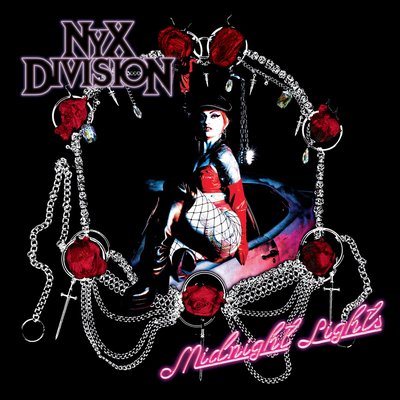
Nyx Division is a Portland, Oregon quartet that fuses goth rock and post-punk with heavy-metal swagger and a flash of disco strobe. Its debut album, Midnight Lights, draws on Killing Joke, Cocteau Twins, The Cult and Thin Lizzy, and one review likens it to “a strike of phosphor against concrete.” The band treats dancing and desire as acts of resistance, songs as lived declarations rather than borrowed poses, and the line “movement is resistance and the floor is sanctuary” sums up the idea.
All Them Witches is a Nashville band whose heavy, slow-burning psychedelia mixes blues, hard rock and folk, with doom-tinged passages and spacey drift. The band puts the sound down to chemistry, “the interplay between the different instruments and members,” and to open communication: everyone speaks their mind. Its seventh album, House of Mirrors (2026), is the first in more than five years, and this October the band is playing 21 shows in 21 days, a ballad called “The Welterweight” among the new songs.
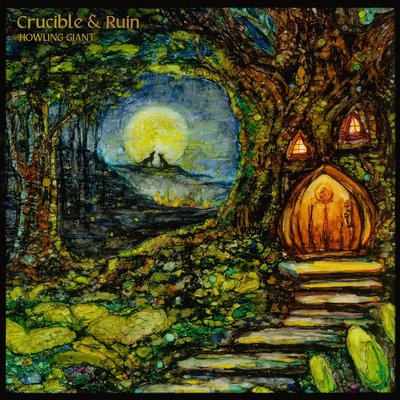
Howling Giant is a Nashville band that began as a college jam under the name Skulldozer and grew into heavy, jam-oriented psychedelic rock: harmony-driven vocals, snaking grooves and stoner-rooted heaviness with progressive and traditional-metal touches. Songs are built on hooks, a habit the band credits to Nashville’s songwriting culture, and fantasy and science fiction supply the imagery. A DIY outfit that streams its rehearsals, mistakes included, it released its third album, Crucible & Ruin, in 2025.
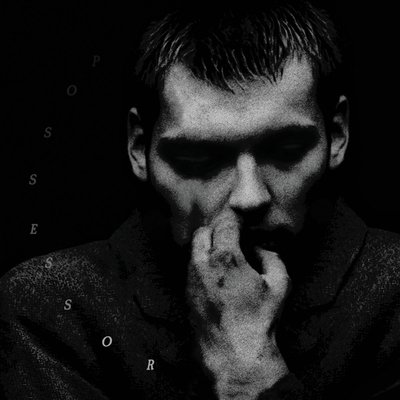
TRAITRS is a Toronto duo making post-punk and darkwave with a cinematic edge. Possessor (2026) was written through a harsh Toronto winter; one member calls it “the most personal record I have ever written,” circling grief, isolation and ecstatic release. On “I Was Ill, You Were Wrong,” echoing synths meet jagged guitar sweeps and a steady voice. One review hears the early Cure in it, “a strength, not a crutch,” channeled without imitation.
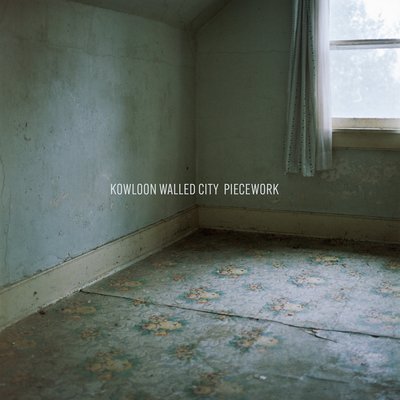
Oakland's Kowloon Walled City play noise rock with sludge's weight and almost none of its clutter. They changed their guitar rigs to sound “clean and clanky,” so every rattling bass string and decaying drum hit is audible, and the pauses between blows hang longer than you expect. Piecework (2021) is bleak, slow and short, about absence, aging and quiet resilience. The title honors the singer's grandmother's 40 years at a Kentucky shirt factory. It's heavy music that asks you to lean in.
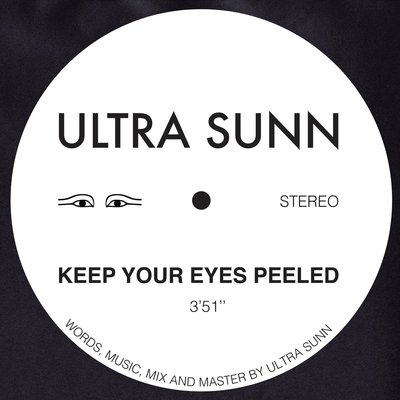
Brussels duo Ultra Sunn rework the Belgian club sounds they grew up on (New Beat, EBM and acid house) with analog synths, drum machines and a deep, stern baritone. Their stated aim is songs that are both singable and danceable: dark, but built to bring a room together. They borrow pop's attitude (Rihanna sits beside Front 242 among their touchstones) and, lately, '90s and Y2K club textures. The 2020 single “Keep Your Eyes Peeled” is the blueprint.
Acid Mothers Temple began as a search for the “really extreme trip music” its founder could never find on record: Deep Purple's hard rock fused with Stockhausen's electronics. Long improvised space-rock jams collapse whole eras into one track, with krautrock drones, Sabbath riffs, funk and disco, cut up and overdubbed like musique concrète. The lineup rotates freely around the founding guitarist, closer to Sun Ra's Arkestra than a fixed band. The point is liberation: chaos and control at once, and a healthy sense of the bizarre.
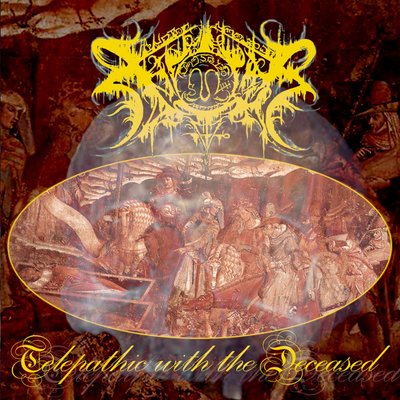
Xasthur once defined lo-fi US black metal: hissing guitars, buried keyboards, and songs about despair and darkness rather than Satan or paganism. Since 2015 it has been an acoustic project, dark folk shading into blues, country and heavy rock, and still bleak by design. Its founder calls the songs mirror-oriented, a way to get things out of his system, and refuses to model himself on anyone else. The bar is whether it's “dark and unusual enough.”
Sep 30, 2026The Heavy Culture Cooperative, Easthampton, MA
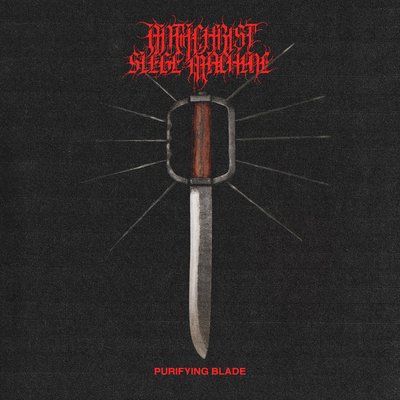
Richmond two-piece Antichrist Siege Machine play war metal: black metal, death metal and grindcore fused at full speed. It's all tremolo riffing and blast beats in a bass-heavy wall of murk, with scathing vocals about anti-Christianity and warfare. Purifying Blade (2021) runs about 30 relentless minutes, well produced but still raw and feverish, trading nuance for sheer, sincere force.
Oct 3, 2026Thunderbird Cafe & Music Hall, Pittsburgh, PA
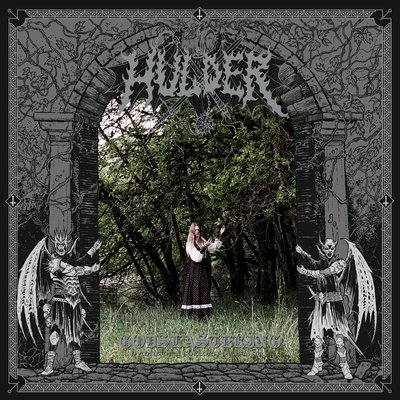
Hulder is one-woman black metal from Portland, rooted in the second-wave records that hooked its creator (Burzum, Darkthrone, Dissection). She heard them as “an auditory portal” to the dreary medieval surroundings of her Belgian childhood. Cold tremolo riffs meet folk melody under a raw, torchlit production. She writes and plays nearly everything herself, calls the project “an extension of myself,” and treats the stage as ritual: preparing for a show is how she steps into Hulder.
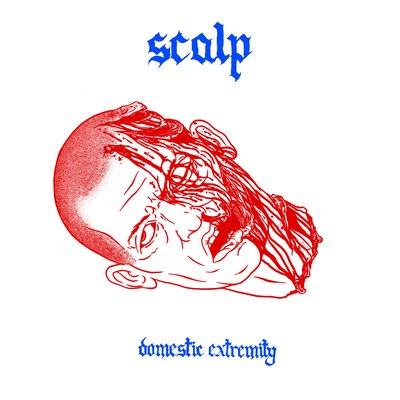
SoCal's SCALP call their sound “death violence”: hardcore dragged through powerviolence blasts and technical death metal, with sludge crawling underneath. Their touchstones run from Nails and Full of Hell to Dystopia. Domestic Extremity (2020) was recorded through a wall of 200-watt amps. The band, which began as a Halloween joke, credits “the silliness of the whole thing” for getting people in the door, even as the music turned deadly serious.
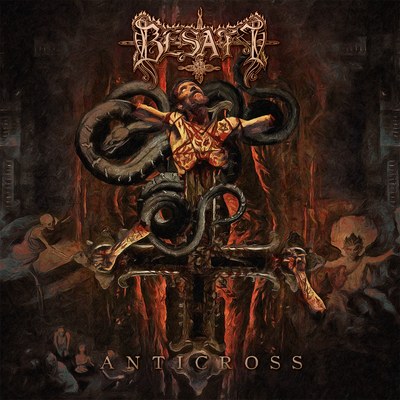
Besatt is a Polish black metal band formed in 1991, with one founding member surviving every lineup change since. Their music is unapologetically ’90s-style raw black metal — chaotic, fast, and technical in a way one review called completely unhinged — built to spread Satanism, anti-Christianity, and occultism through sound rather than argument. Anticross (2017), their tenth album, is by general consensus the most chaotic and brutal record of their three-decade career.
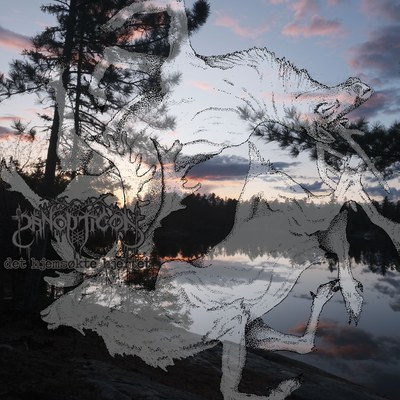
Panopticon is a one-man black metal project, running since 2007, that has always doubled as a vehicle for its creator's anarchist, anti-capitalist, anti-fascist politics — themes of solidarity and empathy set deliberately against the elitism and individualism common in black metal, and a real influence on the “red and anarchist black metal” movement that followed. Musically that plays out as shrieking atmospheric black metal braided with Appalachian bluegrass, folk, blues, and field recordings, arguably more successfully than any of its peers. Det Hjemsøkte Hjertet (“The Haunted Heart”), out May 2026, closes the Laurentian Trilogy by following a fictional elder hermit through his final week — childhood memory tangled with grief for a wilderness being paved over.
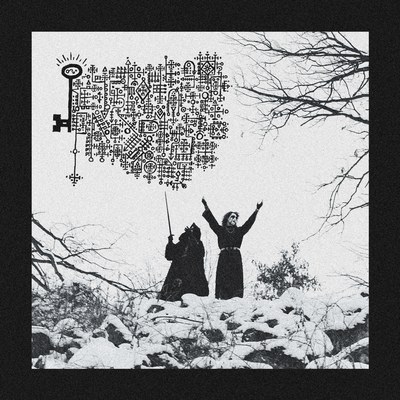
Keys to the Astral Gates and Mystic Doors is a pseudonymous two-person raw black metal project out of Madison, Wisconsin. Their recordings are deliberately lo-fi and bludgeoning — raw black metal made, in one reviewer's words, “in pursuit of beauty and the desire to exist for its own sake” rather than to prove anything to an audience. That same refusal to perform for anyone shapes how the music reaches people at all: nothing on Spotify or any streaming platform, ever, only free downloads through the duo's own label, Empty Pit Recordings. Their sigil-covered artwork extends the same idea — an invitation into a private psyche's “heartache and torture,” not a brand built to be marketed.
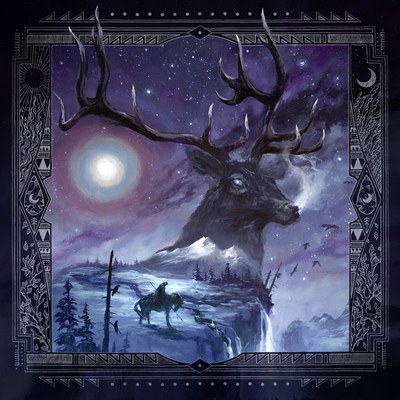
Blackbraid is a one-man project whose Mohawk-language pseudonym honors the Adirondack land the music is built from. Rather than black metal's usual Satanic and anti-Christian tropes, the music turns entirely toward nature, folk instrumentation, and Native American history and identity; its creator describes the project as being about “existing outside of the realm of society and outside of modern culture” rather than making a political statement, even as he's found that simply existing as an Indigenous artist in this genre gets read as one anyway. Blackbraid III (2025) continues that same raw, field-recorded blend of black metal and personal history.
Worm began in 2012 as a one-man project, a love letter to '90s trve kvlt black metal and the Florida swamps that its founder has said helped him escape the toxic materialism he saw around him; it has since grown into a duo. The band calls its own genre “Necromantic Black Doom” — symphonic black metal, funeral doom, and shredding guitar wrapped around recurring imagery of vampires, necromantic architecture, and dark magic.
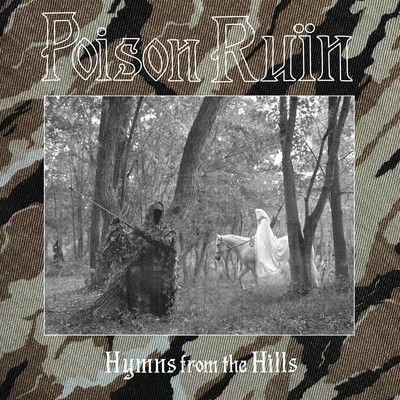
Poison Ruïn is a Philadelphia punk band that wraps raw, riff-driven punk in medieval and dungeon-synth imagery — knights, ruins, old myth standing in for modern alienation, recorded to sound like a buried artifact. Live, the band leans into that same intensity rather than smoothing it out, pushing right to the edge of what it can pull off. Their latest album, Hymns From The Hills (2026), sends that mythology into “sunless deserts” and half-real landscapes — the fullest version of that world yet.
Sadness began as a one-man recording project, braiding shoegaze's serenity, post-rock's scale, and black metal's melodrama into long tracks built around surging, cathartic crescendos that “supersize” its creator's feelings. None of it was performed live until May 2024, when Sadness debuted onstage backed by a full band; it's since grown into a six-piece. 2019's Circle of Veins is where all three sounds first locked into place.
More about Sadness
Sadness runs on a specific refusal: don't think about whether it's good. Ojeda has described making the project's early songs without editing or reconsidering anything -- "I just made them" -- as a deliberate reaction against more composed, deliberate songwriting he's found exhausting elsewhere. That refusal is audible: the crescendos don't build toward a payoff so much as keep escalating past the point a more careful arrangement would have pulled back, as if the recording caught the feeling before it could be revised into something smaller. The songs read less like compositions than like transcripts.
Altın Gün is a Grammy-nominated Turkish psych-groove quintet based in Amsterdam, built on 1970s Anatolian rock and funk but never confined to it. Live, that mix becomes “compulsive and propulsive” party music for packed, singing-along, dancing crowds. Garip (2026), their sixth album, reworks ten songs by Turkish folk legend Neşet Ertaş, threading in strings and saxophone over that same danceable pulse.
Uncle Acid & the Deadbeats build doom-laden psych rock out of Black Sabbath's riffs and Hawkwind's speed, run through enough fuzz that the vocals come out sounding almost demonic. Live, the bass lands in your chest as much as your ears, and the whole set builds one continuous, consuming wall of sound. They've started their own label, Killer Candy Records, with a new album due behind the just-released single “Don't Let It Control You.” Italian doom act Messa opens every date.
Terror has been a fixture of hardcore's toughest, most straightforward wing since 2002 — breakdowns built for the pit, no metaphors, no genre experiments, just a barked vocal over riffs built to move bodies. In 2024, Alternative Press readers voted their singer the second-greatest hardcore vocalist of all time, two decades into a band built to outlast every trend that passed it by.
Cowardice call themselves “the harlequins of sonic despair,” and their double album Atavist backs that up — 90 minutes moving from gleaming slide guitar and almost hopeful clean vocals into ultra-low, glacially slow doom, ending on a 17-minute closer. They're readying a new collaboration with drone act Cementation Anxiety for November. The Brooklyn date has them near the top of the bill with Oldest Sea; in Cambridge, they're opening for doom-death veterans November's Doom.
Softcult is a duo of twin sisters who left a teenage pop deal behind to build something rawer — grunge and shoegaze wrapped around loudly feminist, queer-inclusive lyrics. Live, the drumming is “a spine of steel” under vocals swinging between delicate vulnerability and snarling defiance, the kind of set that leaves a packed room “fully entranced.” Their debut album, When a Flower Doesn't Grow, came out this January.
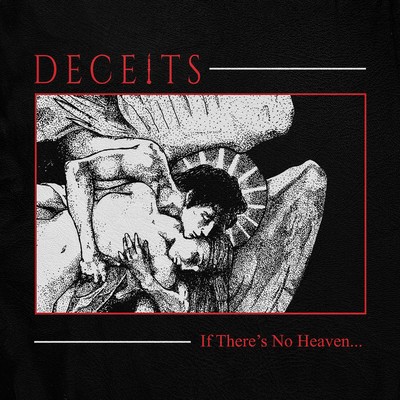
Deceits build their post-punk out of deathrock, hardcore, dream pop, and '90s screamo, closer in spirit to The Cure and Joy Division than anything more polished. Live, their frontman plays up close — jumping into the photo pit, leaning back into the crowd at the barricade — under stage lights soaked in gloomy reds, blues, purples, and greens. Their debut album, If There's No Heaven... (2023), plays that same tension between tragedy and hope.
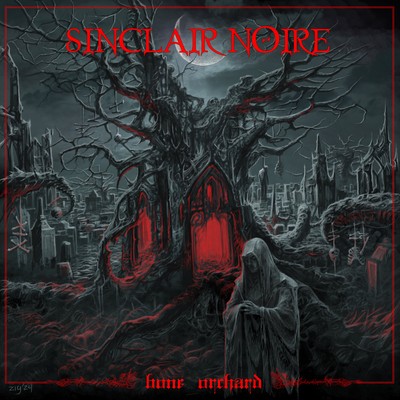
SINCLAIR NOIRE started in 2023 as a solo project before growing into a full trio, now built around its founder's vocals, guitars, and synths alongside a rhythm section that pushes the sound toward something more physically industrial than most gothic rock gets. Bone Orchard (2025), their debut LP, lays out the whole range in one place — gloom, post-punk snarl, and machine-tinged fury all at once.