Artists are selected by the site's editor. Introductions are drafted with AI assistance from official artist channels and credited press, then reviewed before anything is marked approved.
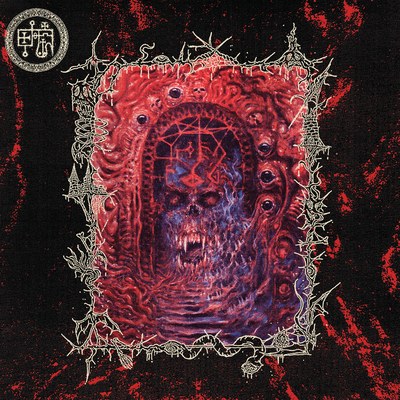
Devil Master is a Philadelphia band that performs in full corpse paint and leather, welding black metal to deathrock and raw hardcore punk into something that plays more like a horror movie than a metal record. Bloody Dreams (2026) leans further into a punkier, psychedelic edge — gothic-horror narration, eerie synths, a Castlevania-like atmosphere — without losing the band's feral black-metal core. Their frontman, a Satanist since before the band existed, is blunt about the philosophy behind all of it: even Satanism, to him, “is a life-affirming thing, or it should be” — and if you don't want to have fun, go to church.
Oct 31, 2026Upper Darby American Legion Post 214, Upper Darby, PA
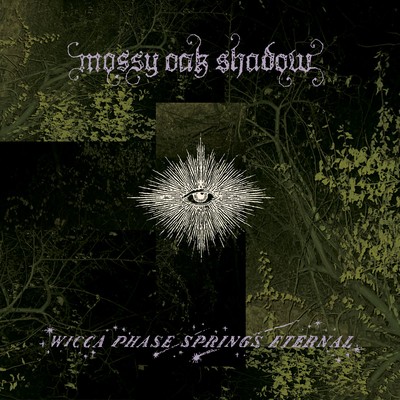
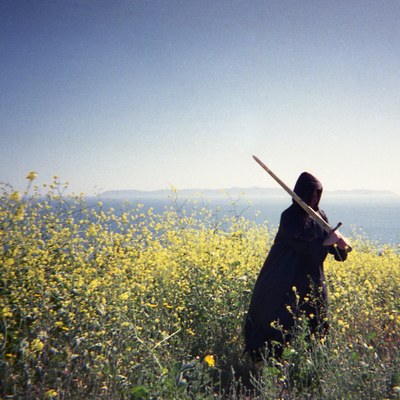
Wicca Phase Springs Eternal is a long-running solo project that grew out of the emo and GothBoiClique scenes. Its live presence is “magnetic yet understated,” letting half-sung, Morrissey-inflected vocals carry the room — sets have closed on a cover of Lil Peep's “Absolute in Doubt” that's reduced audiences to tears. 2025's Mossy Oak Shadow traded the usual trap and witch-house production for acoustic guitar and full-band folk rock, with a guest turn from Ethel Cain.
More about Wicca Phase Springs Eternal
The occult reading Andrzejewski did for years -- Crowley, Jack Parsons, the practicing-magician comic writers like Alan Moore -- wasn't research for lyrics. It's closer to how he's described the project itself: a name and a persona treated as a working, something you say and then have to live inside of. That's a genuinely different premise than most genre-hopping artists work from: the songwriting voice doesn't change to fit trap beats, witch-house synths, or, on Mossy Oak Shadow, a full acoustic band; the belief structure underneath stays constant, and the sound is just whatever it currently needs to move through. Melancholy, in that frame, isn't a mood so much as a fixed point the music keeps returning to from different directions.
Giles Corey is the solo project of Dan Barrett, also of Have a Nice Life, built from hushed acoustic dread that occasionally detonates into noise. He performs it live only a handful of times a decade, and when a song finally breaks, a hushed room turns into bodies thrown together in the pit — then back out into the night “dazed and reverent.” Fellow Flenser artist Kathryn Mohr, whose own Waiting Room was recorded in an abandoned Icelandic fish factory, opens all three dates.
More about Giles Corey
Touches a real 2009 suicide attempt, sourced entirely to Barrett's own published account of it (see sources). Written factually and without dramatization; worth your own read before this goes anywhere public.
Giles Corey isn't shaped like a document of recovery -- it doesn't resolve. Barrett has written that the record and its accompanying book came directly out of a suicide attempt in the spring of 2009, and out of reading he was doing at the time on Robert Voor, a fringe theorist of death and the afterlife whose ideas run through most of what Barrett has made since. The project's name comes from the Salem farmer pressed to death for refusing to enter a plea, reportedly calling only for "more weight" as it happened -- endurance under literal weight, not innocence, as the whole point. That's the record's logic too: not a way out of the feeling, but a way of staying inside it long enough to describe it accurately. The songs move between hushed, exhausted verses and noise that doesn't resolve into catharsis so much as just stop.
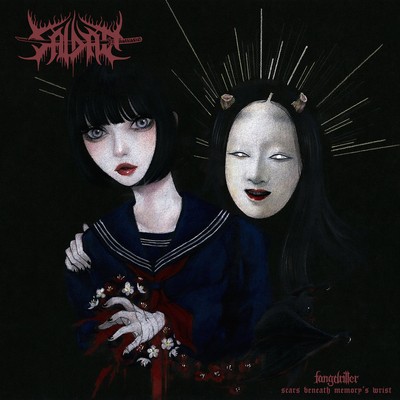
Saidan is a Nashville black metal duo who dress raw, melodic riffing in Japanese Visual Kei theatrics — ghost stories, psychological horror, and onryō folklore standing in for real anti-fascist and mental-health themes. Their albums follow one continuing story, centered on a character named Junko, working through isolation and depression across a discography of increasingly ambitious records. Fangdriller: Scars Beneath Memory's Wrist (2026), their latest chapter, is the one they call their most ambitious yet.
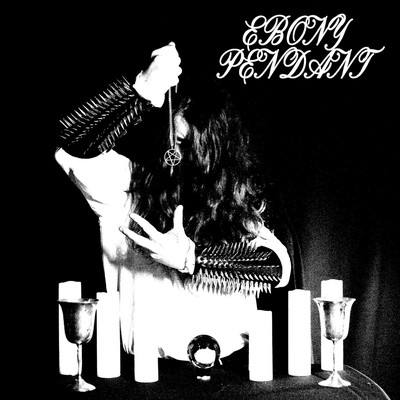
Ebony Pendant is a two-person Seattle black metal project built on raw, icy riffing in the old Norwegian tradition — adrenaline first, melody a close second, with a melancholy that tips the songs toward genuinely tragic rather than just harsh. Their self-titled 2023 LP is the fullest version of that sound: full-length, vinyl-only, and considered one of the year's stronger American black metal records.
Buzz Kull is a one-man project from Sydney that has spent over a decade turning darkwave and EBM into something colder and more danceable at once — clipped, sequenced percussion under a bass line built for forward motion, with vocals kept deliberately flat and impassive over it. This year's Deep Hate EP, out via Heartworm Press, is the newest, iciest version of that formula. Buzz Kull and Kontravoid — another veteran of the same scene, with its own new single out this year — are co-headlining the whole tour together.
Anna von Hausswolff is a Swedish singer and organist whose earlier records built dark, droning soundscapes around the pipe organ and a voice that swings from operatic clarity to a low growl. Live, that voice pushes into “almost animalistic” territory as a full room erupts mid-song. Her 2025 album Iconoclasts opens that studio sound up — brighter, more rhythmic, still organ-led — with her first-ever guest features, including a duet with Iggy Pop on “The Whole Woman.”
Arizmenda is a one-man project within Los Angeles's Black Twilight Circle. The collective identifies as “Nican Tlaca” (“we the people here” in Nahuatl) and treats black metal as a vehicle for keeping pre-Hispanic Mesoamerican spirituality alive, the way their ancestors used music ritually, for war and astrological ceremony alike. Within that collective, Arizmenda's own black metal is described as the most primal and psychotic, both musically and lyrically, built from Aztec and Mayan ritual imagery rather than the genre's usual European occultism.
Gudsforladt (Norwegian for “godforsaken”) is a one-man Los Angeles black metal project that calls its own sound “righteous, pure and true black metal.” That sound melds classic-metal melody — closer to Iron Maiden than to most of the genre's harshness — with lo-fi, primitive black metal production, steeped in medieval battle and folklore imagery rather than the genre's usual Satanic iconography. Reviewers have called it blistering yet woeful, and, unusually for black metal, one of the more eternally positive records the genre has produced.
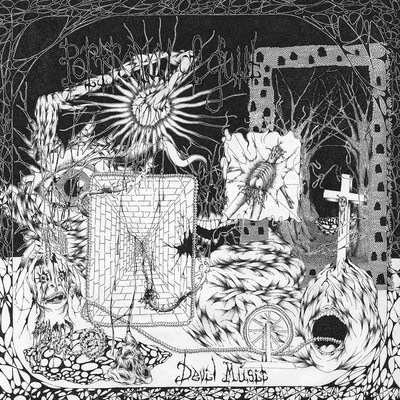
Austin's Portrayal of Guilt set out to write music that is flat-out scary. Their blackened screamo and hardcore (blast beats, sludgy drops and shredded screams) is built on a horror score's tension and release. They watched horror films in the studio while recording. Devil Music (2023) made the idea literal: five songs on one side, then the same five reimagined on the other with strings, timpani and brass, modeled on Bernard Herrmann and Jerry Goldsmith.
Kostnatění, a one-man project from Minneapolis, pushes dissonant black metal through microtonal Turkish folk melody and North African rhythm. Guitar lines bend outside Western tuning over patterns that refuse to settle, and the riffs are catchy and baffling at once. Where the genre reaches for the occult, the dread here is secular and existential: Úpal (2023) was built to evoke searing desert sun and a mind coming apart.
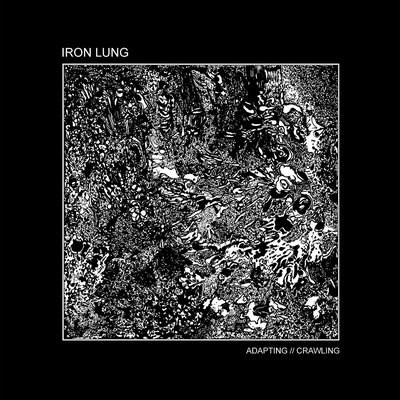
Iron Lung is powerviolence cut to two people, drums and guitar, and never smoothed out: abrasive, angry and short. They deliberately leave out the hooky part, because, as they put it, it doesn't matter whether anyone gets hooked. That refusal runs through everything. They are one of the few powerviolence bands that never split up and came back, they run their own label, and they ask for what modern listening rarely gives: a record's full attention.
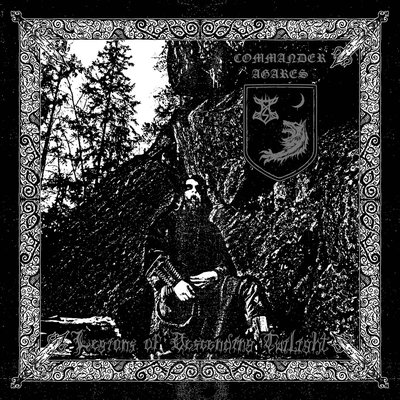
Commander Agares is a one-man black metal project from Hyvinkää, Finland, here on what is billed as its first North American tour. The sound is raw and abrasive: buzzing guitars set against “haunting and eerie synths that defined this style in the 90s,” slow and methodical until it speeds up at key moments, with shrill, raspy screams. Reviewers place it near Satanic Warmaster and Behexen; its label calls the debut, Legions of Descending Twilight, a “Luciferian warrior revolt.”
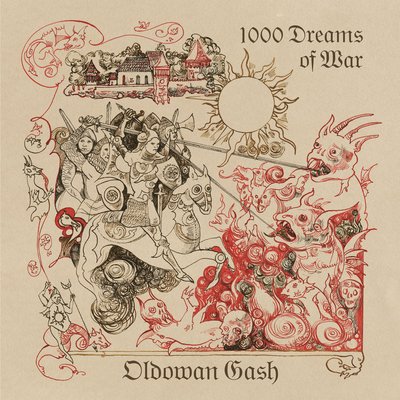
Oldowan Gash is a black metal project from Los Angeles that describes itself in three words: “Pain, Pride & Fury.” Its second album, 1000 Dreams of War, is “ruggedly triumphal”: punkish, melancholic and riff-driven, with layered guitars, a cinematic sweep and anthemic hooks. One reviewer finds it “more concerned with conveyance than the usual bland precision gloss,” its themes fantasies of past grandeur, long-delayed revenge and a lost future, closing on a long track about “spiritual warfare.”
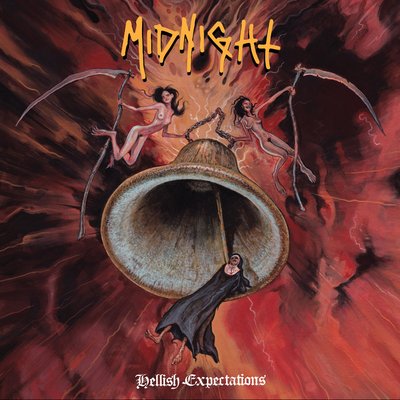
Midnight is Cleveland’s one-man answer to early Venom, a “viciously raw, low end produced slab of speed metal, black metal and punk” in one reviewer’s words, with echoes of Judas Priest and Motörhead in the riffs. The songs are old-school, simple and catchy, built on attitude rather than polish, and the one-man project has been at it from Cleveland since the early 2000s. Its founder framed one album as a rebirth, a record “about saying yes, taking opportunities.”
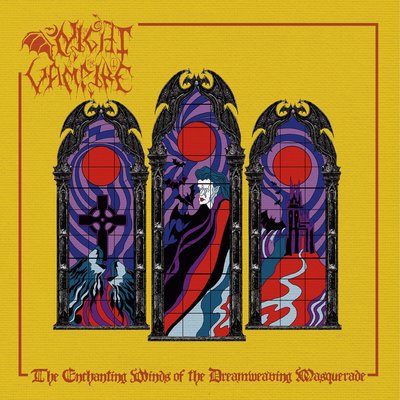
Night of the Vampire is a Texas project that dresses black metal in 1980s horror-film glamour, “a subterranean blend of clarion synths and toothy black ’n’ roll,” in one review’s phrase. Bright, glittering synth melodies lead over mid-paced guitar buzz and grooving bass, with ghoulish rasps and touches of goth rock and darkwave. Castles, masquerades and the Carpathians set the scene, and the band calls itself “the shadow of the witching hour.” Its 2026 album is The Enchanting Winds of the Dreamweaving Masquerade.
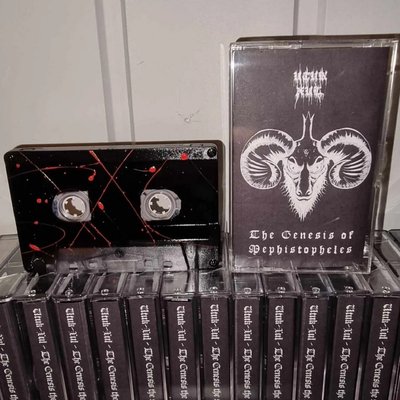
Utuk-Xul comes from Cali, Colombia, and plays what its reissue label calls “angry, satanic black metal,” with roots in the 1990s underground under an earlier name, Dies Irae. The style is Norsecore: relentless high-speed blasting in the line of Dark Funeral and Marduk, organ-led invocations of Satan, Lucifer and Leviathan, and long, grinding tracks. A 2024 hand-assembled cassette collected its debut album and early demos as the first volume of a Colombian Metal Vault series; the band now tours North America beside Commander Agares.
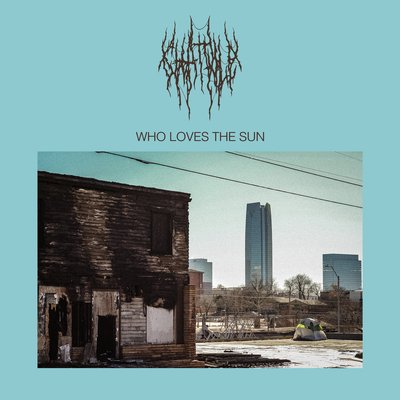
Chat Pile is an Oklahoma City noise rock band whose harsh, scraping riffs and pummeling bass carry songs about everyday dread: violence watched on screens, neglect of unhoused people, the numbing pull of devices. Its third album, Who Loves the Sun, leans on melody and hooks without losing the weight, and its stated aim is “trying to keep one’s humanity in a time of extreme anti-humanity.” Gallows humor runs through it, and the live shows are, one review says, “uproariously fun.”
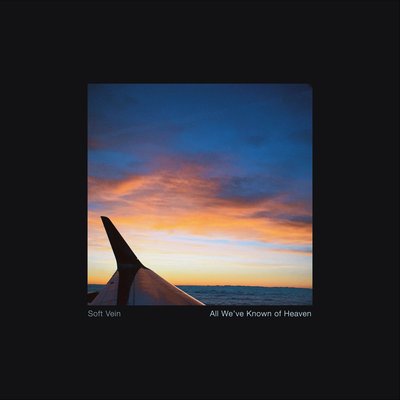
Soft Vein is a one-person darkwave project from California. Early work leaned on cold wave and industrial textures: a pulsing synth, pounding drums and eerie vocal cries built for the dance floor, with desire and melancholy in a nocturnal, secretive mood. The third album, All We’ve Known of Heaven (2026), turns toward dreamy synthpop and sophisti-pop, its lyrics circling nostalgia, romance, homesickness and personal change, “a whispered secret in the dead of night.”
Boy Harsher is a darkwave duo from Northampton, Massachusetts: moody synths and programming, pop hooks sharp enough for a club, and live shows that are physically intense. Escape recurs across its records, running, leaving, dropping everything, until the duo realized, in one member’s words, “you’re really just running from yourself.” Its albums read as chapters of a story told since the start, and The Runner was made as both a short film and a soundtrack album.
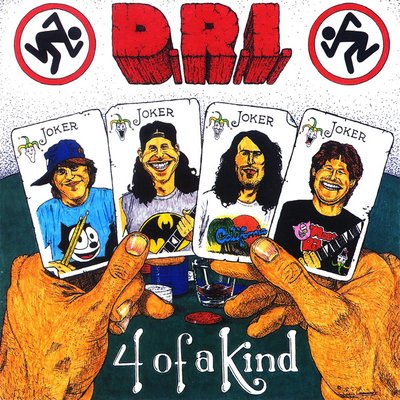
D.R.I., short for Dirty Rotten Imbeciles, formed in Houston in 1982 and helped invent crossover thrash, fusing the speed of hardcore punk with the weight of thrash metal until its songs ran longer, slower and more complex. Its 1987 album Crossover gave the style its name, and one critic argued its records showed “metal and punk were not mutually exclusive.” More than four decades on, the band still plays the short, furious songs that drew punks, skinheads and metalheads to the same shows.
Dead On A Sunday is a Denver band working at “the intersection of gothic rock, post-punk, darkwave and alternative music,” with Type O Negative, HIM, AFI and Deftones as touchstones. Songs trade in heartbreak, gothic romanticism and punk irreverence, delivered with theatrical flourish and unfiltered vulnerability. A viral joke about the frontman’s deep baritone gave the band its tongue-in-cheek genre, “Bobcore,” and its album In Memoriam is billed as a funeral mass for lost love and forgotten faith.